
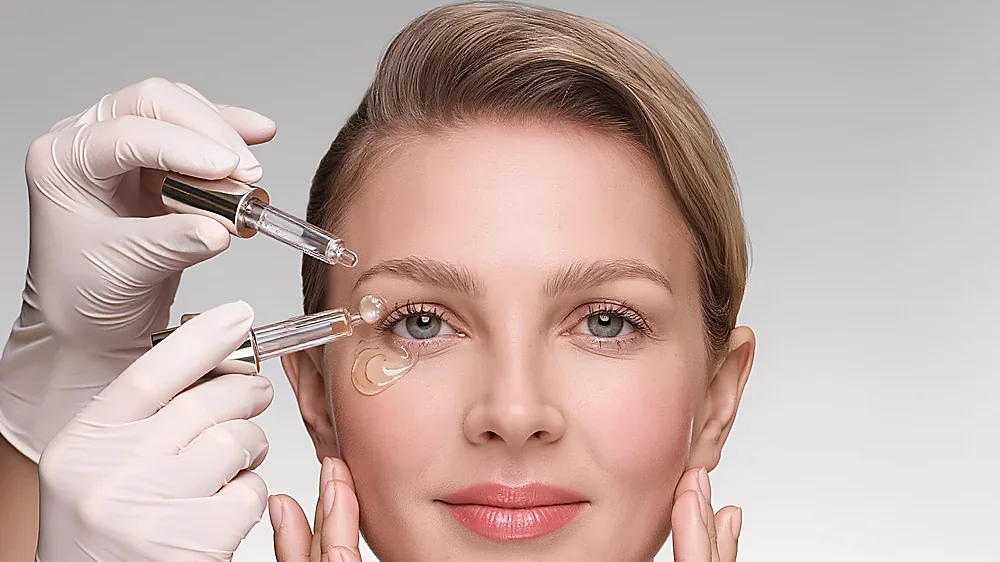
You have had your anti-wrinkle treatment — so what now? The first couple of days really do matter, and a little care goes a long way towards smooth, natural, long-lasting results. Here is our simple aftercare guide from a nurse-led clinic near Eccleshall, serving Stone and Staffordshire.
What to Do in the First 48 Hours After Treatment
The golden rule is to keep things gentle and let the treatment settle where it has been placed. In the first 48 hours:
- Stay upright for at least four hours after your appointment.
- Gently exercise the treated muscles in the first hour if we have advised it (for example, frowning and raising your brows).
- Keep the area clean, and take paracetamol if you feel any mild tenderness.
- Sleep on your back on the first night if you can.
What to Avoid in the First 48 Hours
Just as important as the dos are the don'ts:
- Do not rub, massage or apply pressure to the treated area.
- Avoid strenuous exercise, saunas, steam rooms and hot baths for 24 to 48 hours.
- Skip alcohol for at least 24 hours, as it can increase bruising.
- Leave make-up and facials for the rest of the day to keep the area clean.
Managing Mild Side Effects
A little redness, small bumps or mild tenderness at the injection sites is completely normal and usually settles within a few hours to a day. Occasionally a small bruise can appear — a cool compress can help, and it will fade on its own. None of this should stop you going about your day.
When to Contact Your Clinic
Most people have no issues at all. But please get in touch if you notice heavy or spreading bruising, any signs of infection (increasing redness, warmth or swelling), drooping of an eyelid or brow, or anything that simply worries you. As a nurse-led clinic, we are always here — just call 07936 705248.
Protecting Your Results Long Term
To keep your results looking their best, look after your skin with a good routine and daily SPF, stay hydrated, and resist the urge to chase a frozen look — subtle and natural lasts better and looks better. Booking your next treatment before the effect fully wears off (usually every three to four months) helps keep results consistent, and regular treatment can even make them last a little longer over time.
New to anti-wrinkle treatment? Read our ultimate first consultation guide to know exactly what to expect.