Microneedling has gone from clinic secret to household name — but there's a lot of confusion about what it actually does, and a big difference between a professional treatment and a roller off the internet. Here's an honest, nurse-led guide.
What microneedling actually is
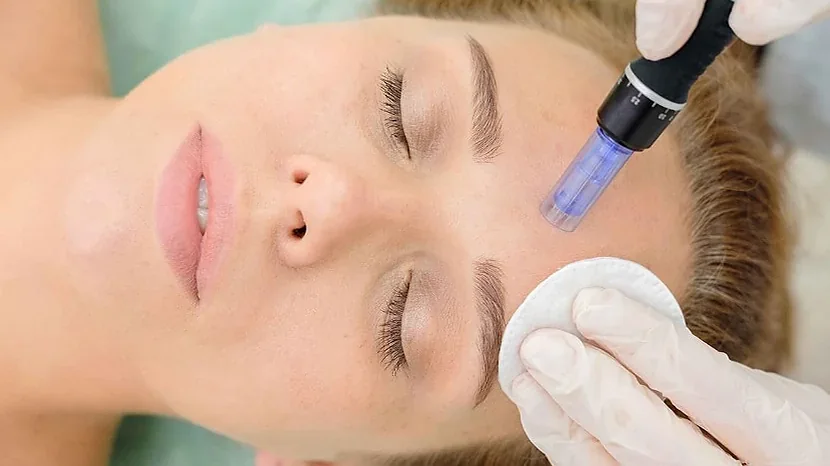
Microneedling — sometimes called collagen induction therapy — uses a device with very fine, sterile needles to create thousands of tiny, controlled micro-channels in the skin. The clever part isn't the needles themselves; it's what your skin does in response.
How it works (the science, simply)
Your body is brilliant at repairing itself. Those tiny micro-injuries switch on your skin's natural wound-healing response — releasing growth factors and waking up the fibroblasts that produce collagen and elastin. Your skin essentially rebuilds itself a little firmer, smoother and more even, and forms tiny new blood vessels that improve its supply of nutrients. Because it works mostly below the surface without stripping the outer layer of skin, it's considered safe across all skin tones.
What it treats
Microneedling is one of the best-evidenced treatments for skin texture — and it genuinely shines on acne scarring (the depressed, rolling kind), where clinical studies back it up. It also helps enlarged pores, fine lines, uneven tone and general dullness. Think "quality and texture," not changing your shape.
What to expect during a session
We apply a numbing cream first, so most people find the treatment very comfortable — usually just a light scratching sensation. A session takes around 30 to 60 minutes including numbing time. Afterwards your skin will feel warm and look a little flushed, similar to mild sunburn.
A course, with results that build
Collagen takes time to form, so microneedling isn't one-and-done. Most people have a course of a few sessions spaced several weeks apart, with results developing over the following months as new collagen matures. You'll often see a fresh "glow" within days, but the deeper improvements build quietly. Many clients pair it with other advanced skin treatments such as polynucleotides for an even bigger boost to skin quality.
Professional vs the roller you saw online
This matters more than anything. At-home derma-rollers are shallow, hard to keep truly sterile, and easy to overdo — risking infection, irritation and uneven results. Professional microneedling uses sterile, single-use needles, the right depth for your skin, and someone trained to do it safely. It's the difference between poking your skin and actually treating it.
Is it safe? Honestly
For most people, yes. The usual after-effect is a day or two of redness and mild swelling that settles quickly. Rarer issues — temporary pigmentation changes (more of a consideration in darker skin), breakouts or infection — are uncommon and far less likely with a trained professional using sterile equipment. It's not suitable during active breakouts or certain skin conditions, which is exactly what an assessment is for.
Why nurse-led matters
A medical background means sterile technique, the right needle depth, and honest judgement about whether microneedling — or another skin treatment — is right for you. At EMA Aesthetics it's carried out by Emilee, an NMC-registered nurse. Microneedling starts from £75, and your course is planned at your free consultation — we're near Eccleshall, within easy reach of Stone and Stoke-on-Trent.
Aftercare, briefly
Your skin will be more sensitive for a day or two: keep it clean, skip make-up for the rest of the day, avoid heat and strenuous exercise, and be strict with SPF — sun protection afterwards is essential.
The bottom line
A well-evidenced, natural way to improve texture and soften scarring by prompting your own collagen — done as a course, by someone qualified. If tired, uneven or scarred skin is your concern, it's well worth a conversation.