Polynucleotides are one of the most talked-about treatments in aesthetics right now — sometimes under the eye-catching nickname "the salmon DNA facial." Here's an honest, nurse-led explainer of what they actually are, how they work, what the evidence says, and who they suit.
What they actually are
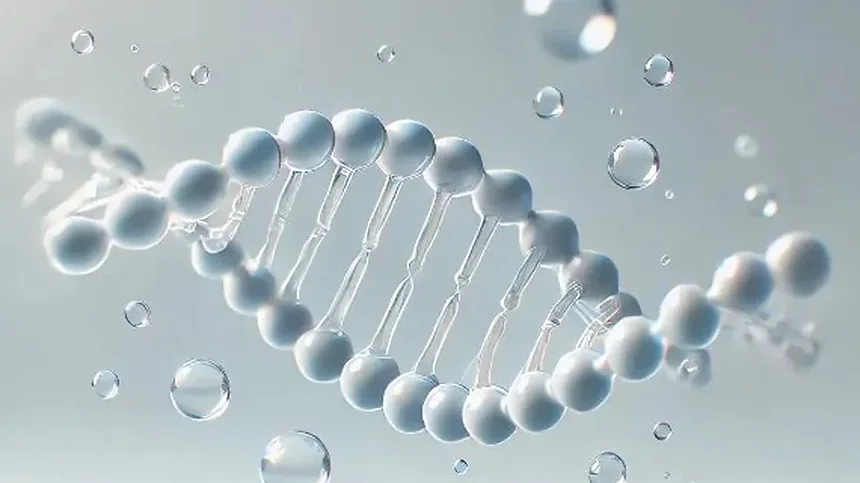
Polynucleotides are purified fragments of DNA, most often derived from salmon or trout. That sounds dramatic (the press loves "fish sperm facial"), but in reality it's a highly purified, sterile injectable — the DNA is broken into short, biocompatible fragments your skin recognises and responds to. Unlike dermal fillers, they're a regenerative treatment, not a volumiser.
How they work (the science, simply)
Rather than filling or plumping, polynucleotides essentially signal your skin to repair itself. Once injected, the DNA fragments are taken up by your fibroblasts — the cells that make collagen and elastin — and switch them into a more active, regenerative state. They also calm inflammation and mop up free radicals. Over a few weeks, the result is skin that's better hydrated, smoother and firmer — improved from within rather than topped up.
What they treat (and how they differ from filler)
People get this confused, so let's be clear: polynucleotides improve skin quality — texture, hydration, elasticity, fine crêpey lines — they don't add volume or contour. Want plumper cheeks or a sharper jawline? That's filler. Skin looking tired, dull, thin or crêpey — especially under the eyes? Polynucleotides are often the better fit. Sometimes both are used together, each doing its own job.
It's a course, not a one-off
Polynucleotides work gradually — usually a course of two to three sessions, two to four weeks apart, with results building over time and improving afterwards. A maintenance session every several months keeps it topped up. Anyone promising a dramatic overnight change isn't being straight with you: this is a slow-and-steady, skin-quality treatment.
Is it safe? An honest look
The safety profile so far is good — the product is highly purified, well tolerated, and serious reactions are rare. Usual side effects are mild and short-lived: small bumps at the injection points that settle within hours, and maybe a little bruising or swelling.
Two honest caveats. First, because it's derived from fish, tell your practitioner if you have a fish allergy — it's part of a proper assessment. Second, polynucleotides are a newer treatment than, say, anti-wrinkle injections: the early human evidence is genuinely promising and the underlying science (it's been used in wound-healing medicine for years) is sound, but it doesn't yet have the decades of data some treatments do. We rate it — we'd just rather tell you that than oversell it.
Why nurse-led matters
Like fillers, polynucleotides are a medical device rather than a prescription medicine — so who injects you isn't guaranteed by law. A medical background means a proper skin assessment, sterile technique and honest advice about whether it's right for you. At EMA Aesthetics it's carried out by Emilee, an NMC-registered nurse, near Eccleshall and within easy reach of Stone and Stoke-on-Trent.
Aftercare, briefly
Keep the area clean, avoid make-up over the injection points for the rest of the day, and skip strenuous exercise, heat and alcohol for around 24 hours. Small bumps settling in the first few hours are completely normal.
The bottom line
A genuinely interesting regenerative treatment for improving skin quality from within — best thought of as a course, with realistic, gradual results. Whether it suits your skin is exactly what a skin consultation is for.
Read next: Polynucleotides for under-eye circles · Polynucleotides vs Profhilo · How much do polynucleotides cost?